Treks
Spantik Base Camp Trek
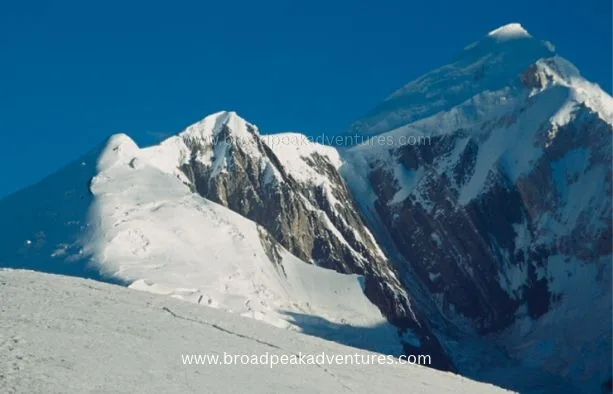
A quiet trek along the Chogolungma Glacier from the Balti village of Arandu to the base camp of Spantik, the 7,027 metre…
13 daysModerate
Explore journey →
Askole to Snow Lake along one of the great glaciers of the Karakoram
THE JOURNEY
The Biafo Glacier runs for about 67 kilometres from the heart of the Karakoram to the Braldu valley near Askole. At its head lies Snow Lake, known locally as Lukpe Lawo, a high basin of ice roughly 16 kilometres across and ringed by unclimbed peaks. Together with the Hispar Glacier on the far side, it forms one of the longest glacier systems outside the polar regions.
The Biafo Glacier Trek goes up the glacier to Snow Lake and comes back the same way. You see the best of the Biafo, including the Ogre and the Latok peaks, without committing to the crossing of Hispar La and the long descent to Hunza.
From Askole the route follows the K2 Base Camp trail for a couple of hours, then turns north onto the Biafo. Camps at Namla, Mango and Baintha sit in green ablation valleys beside the ice, with flowers, streams and willow. Above Baintha the glacier becomes a smooth white highway. Two more stages by Marphogoro and Karphogoro lead to the edge of Snow Lake, where the horizon is ice in every direction.
This is a strenuous trek. Days of five to seven hours on moraine and bare ice are normal, there are crevassed sections where the group ropes up, and the upper camps are above 4,400 metres on snow. You need to be fit and to have trekked at altitude before. No technical climbing is involved.
July to early September. Before July, deep snow covers the upper glacier and hides crevasses. By mid September the nights at Snow Lake are very cold.
IN PICTURES
DAY BY DAY
We meet you at Islamabad International Airport and transfer you to your hotel. In the evening your guide runs through the plan, checks your equipment and answers any last questions.
A one hour flight passes close to Nanga Parbat and lands in Skardu at 2,230 metres. If the flight is cancelled for weather we drive the Karakoram Highway to Chilas and reach Skardu the next day. Afternoon at leisure to adjust to the altitude.
A relaxed day while permits and supplies are finalised. Visit Kharpocho Fort, the old bazaar and Upper Kachura Lake, then meet the cook and crew who will travel with you.
Jeeps carry the group through the Shigar Valley and up the Braldu gorge to Askole at 3,000 metres, the last village. Six to seven hours.
Follow the K2 trail briefly, then turn onto the lateral moraine of the Biafo Glacier. A long first day of six to seven hours ends at the meadow of Namla, about 3,690 metres.
Step onto the glacier and work through moraine ridges and open ice to the grassy campsite of Mango at 3,660 metres. Five to six hours.
Continue up the Biafo to Baintha at about 3,990 metres, a beautiful camp with fresh water and views of the Latok peaks. Five hours.
A day to acclimatise. Walk up the side valley for a closer look at the Ogre and Latok group while the porters prepare for the upper glacier.
Rejoin the main glacier, now smooth white ice, and walk to camp at Marphogoro at about 4,400 metres. Six to seven hours.
A shorter stage of around five hours to Karphogoro at 4,680 metres, with Sosbun Brakk across the glacier.
Rope up for the walk onto Snow Lake at around 4,800 metres. Spend the day in this immense basin beneath Lukpe Lawo Brakk and the Solu Towers, and return to Karphogoro.
Descend the glacier past Marphogoro to the grass and running water of Baintha.
Continue down the Biafo past Mango to Namla.
Walk out to Askole in the morning and drive to Skardu for a hot shower and dinner.
Morning flight back to Islamabad, weather permitting, with the rest of the day free. If flights are not operating we travel by road instead.
Transfer to the airport for your flight home. Extra nights, a Hunza extension or a few days in Lahore can be added on request.
THE DESTINATION
Destination overview. The final route is confirmed with your trip itinerary.
Open map in a new tab ↗Travel dates
What's covered
Prepare for the journey
Good to know
The Biafo Glacier is in the Shigar district of Baltistan. It starts at Snow Lake and ends near Askole village in the Braldu valley.
It is about 67 kilometres long, making it one of the longest glaciers outside the polar regions.
Snow Lake, or Lukpe Lawo, is a high glacial basin about 16 kilometres wide at the head of the Biafo and Hispar glaciers. It is not a lake of water but a wide field of ice and snow.
This trek returns down the Biafo to Askole. The traverse continues over Hispar La at 5,151 metres and descends the Hispar Glacier to Hunza, which is longer and harder.
Previous high altitude trekking is important. Our guides provide ropes and instruction for the crevassed sections, and no climbing skills are needed.
Share your preferred dates, group size, travel experience and any accessibility or dietary requirements. Ask our team for a written itinerary and a clear breakdown of included services, optional activities and additional costs before confirming.
Check the start and finish locations shown in the trip specifications. Confirm airport transfers, meeting times and any domestic flights with our team before booking independent travel. Allow flexibility for weather and transport changes.
Ask for the accommodation plan for each night, room or tent arrangements and meal inclusions for your chosen departure. Tell us about food allergies and dietary needs in advance so we can confirm what is possible along the route.
Review the itinerary, difficulty and maximum altitude before choosing this journey. Request the trip-specific packing list and confirm any rental equipment, sizes and availability before arrival. Discuss any health concerns with a qualified clinician before travel.
Check current entry requirements for your nationality and confirm whether your route needs additional permits. Review insurance coverage for your planned activities, maximum altitude, medical care and evacuation. Ask our team which documents are needed for this itinerary.
Weather, road conditions and local circumstances can affect the programme. Ask about alternative routes, spare days and how additional costs are handled. Contact us to discuss a private departure or changes to the published itinerary.
Keep exploring
A quiet trek along the Chogolungma Glacier from the Balti village of Arandu to the base camp of Spantik, the 7,027 metre…
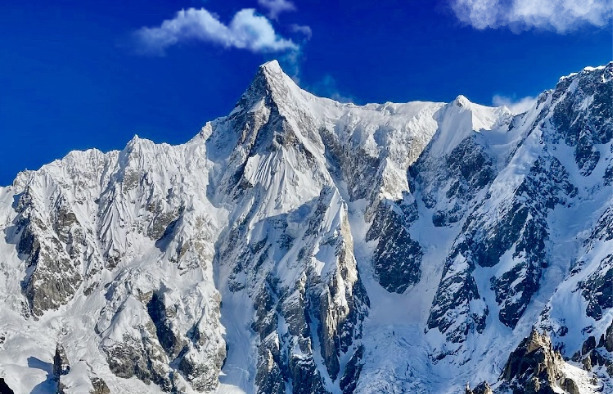
Climb straight from Baltit Fort to Ultar Meadows beneath Ultar Sar and Ladyfinger Peak, then on to Hon Pass for a sweeping…
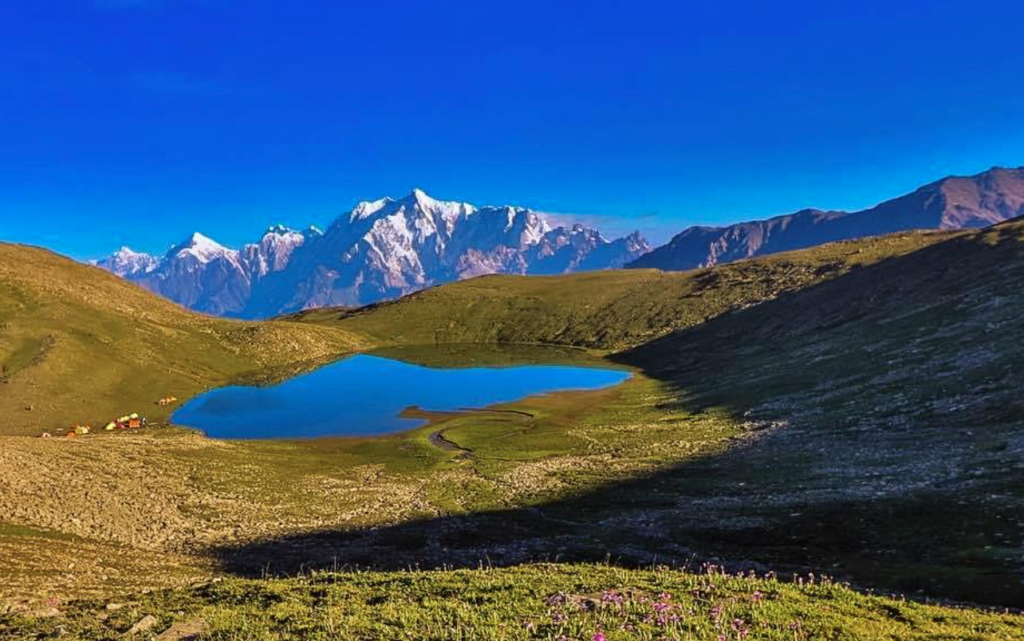
A 16-day guided trek through Upper Hunza to Rush Lake and Patundas Meadows with an optional Rush Peak summit at 5,098m.